
Ear Wax Gallery
$$MultiPurposeText$$
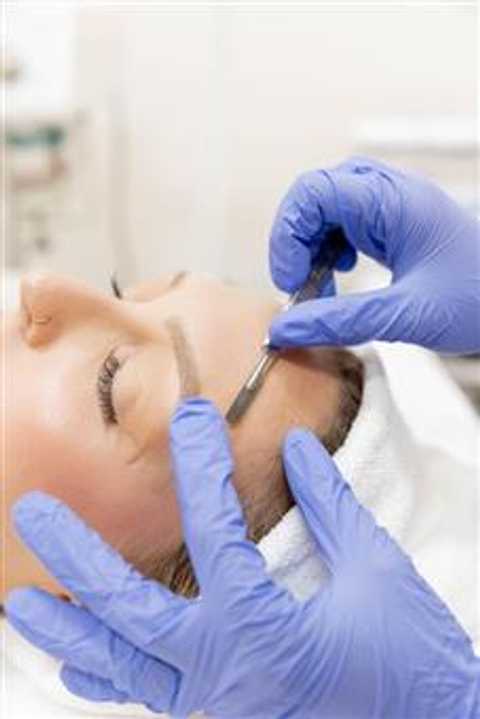
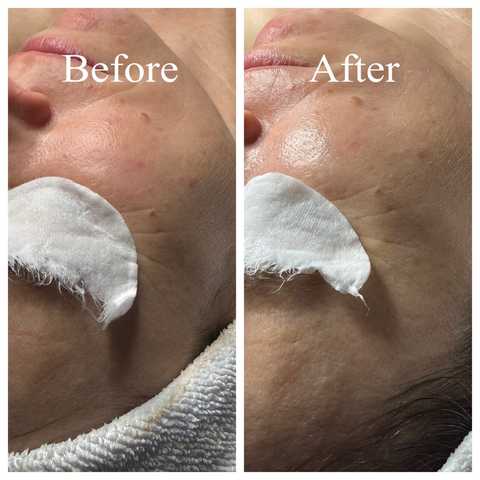
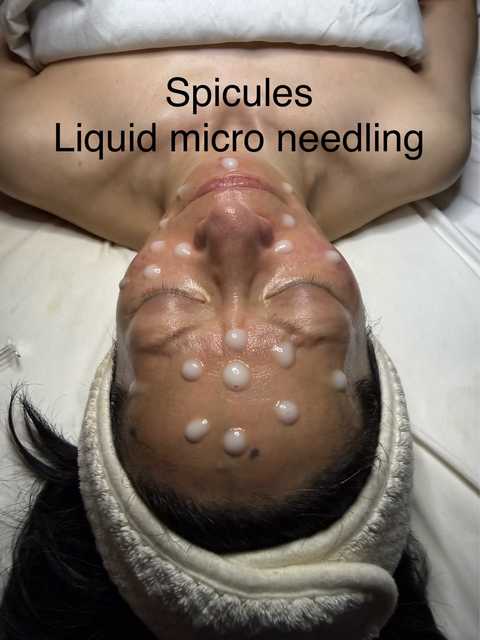
See examples of our Ear Wax work and results.
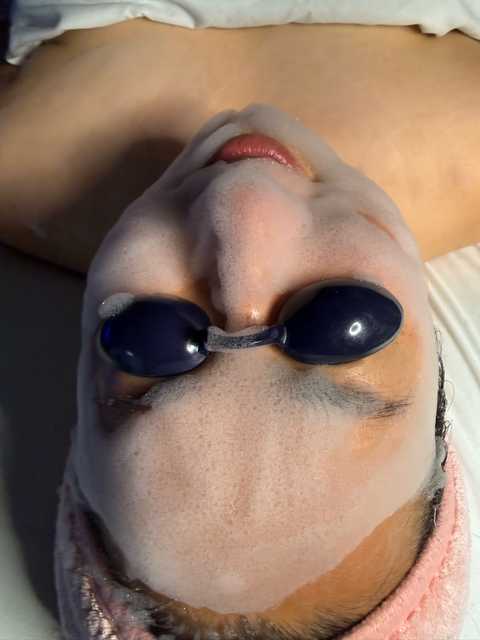
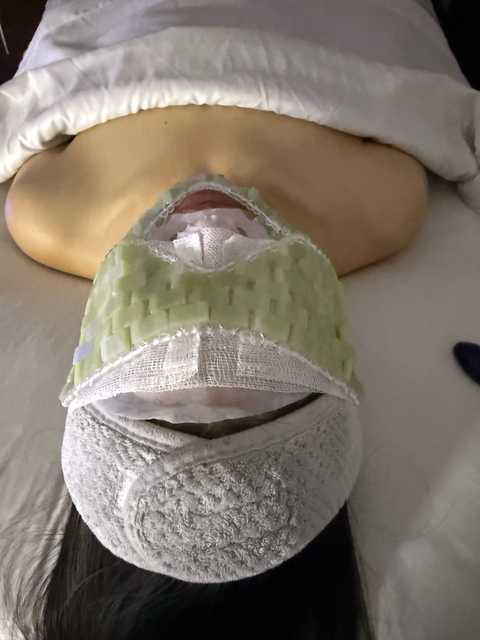
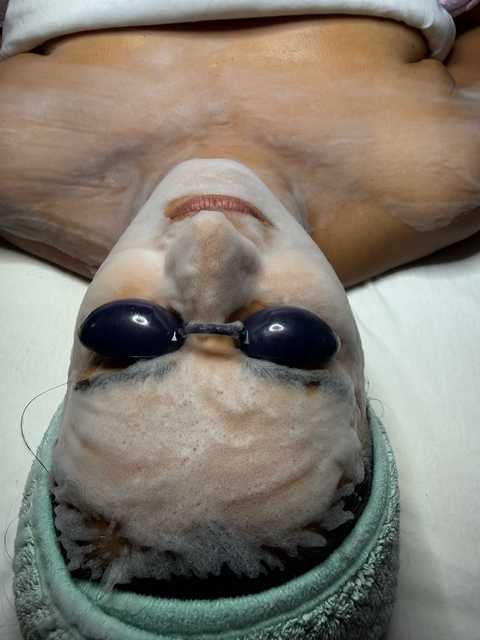






What Our Clients Say
$$MultiPurposeText$$
Read testimonials from our satisfied customers

I can’t recommend Lisa enough! She is incredibly knowledgeable, professional, and truly pa...more

Lisa is amazing!! She did a wonderful job and gave me an excellent at-home skin care routi...more

I’ve been going to Lisa for a long time and there’s a reason I keep coming back. She truly...more

I’ve been seeing Lisa for many years now, and she is truly the best esthetician I’ve ever ...more

Five stars for Lisa! She is definitely an expert who customizes every treatment based on y...more

Love working with Lisa! She’s super knowledgeable, kind, and fun to talk to. Shes helped m...more

Frequently Asked Questions
Get answers to common questions about Ear Wax.
Most clients feel only mild, brief discomfort as the wax is removed. Our estheticians use gentle techniques and soothing aftercare to minimize pain. Any tenderness usually subsides within minutes to a few hours; we’ll adjust methods if you have heightened sensitivity.
Results vary by individual, but most clients notice tidy ears for three to six weeks. Hair regrowth depends on your natural growth cycle; scheduling regular maintenance appointments helps keep ears consistently groomed and reduces coarse regrowth over time.
Ear waxing targets external ear hair only and is performed outside the ear canal. When done by trained estheticians using hygienic techniques, infection risk is low. We screen for contraindications and provide aftercare tips to maintain cleanliness and prevent irritation.
Avoid swimming, hot tubs, and heavy sweating for 24 to 48 hours to reduce infection risk and irritation. Keep the area clean and avoid applying harsh products; follow any personalized aftercare instructions provided by your esthetician.
Waxing removes hair from the root for smoother, longer-lasting results compared with trimming or topical removers. Trimming offers quick concealment, while wax keeps ears tidy longer and reduces frequent maintenance between appointments.
Clients with active ear infections, recent ear surgery, open wounds, severe dermatitis, or blood clotting disorders should avoid waxing. Disclose medications and health history during booking so our estheticians can advise alternative grooming options or postpone service safely.